Biocarbon
Biocarbon is a carbon-rich material produced through pyrolysis under controlled, oxygen-free conditions. Derived from biomass and waste streams, it creates value for industry by replacing fossil-based carbon while supporting emissions reduction and circular resource use.
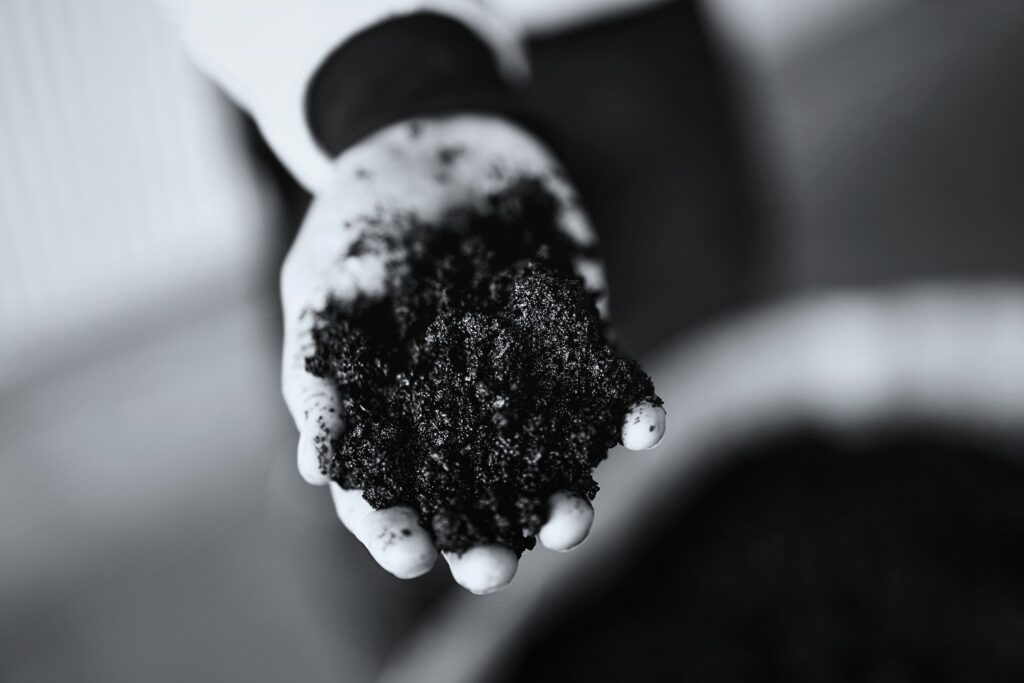
How biocarbon creates value across industries
Biocarbon: Turning Waste into a Valuable Carbon Resource
Biocarbon is a carbon-rich material produced through pyrolysis, a process that converts biomass and waste streams into valuable products without combustion. By recovering carbon that would otherwise be released into the atmosphere, biocarbon creates new value from waste while contributing to lower-emission industrial processes.
As part of Vow’s circular solutions, biocarbon transforms underutilized resources into a renewable carbon product that can replace fossil-based alternatives and support the transition to a more sustainable industry.
Enabling Industrial Decarbonization
Many industrial processes rely on fossil carbon materials such as coal and coke. Biocarbon offers a renewable alternative that can be used in applications including metallurgy, metal production, and other energy-intensive industries.
By replacing fossil carbon with renewable carbon derived from waste and biomass, industries can reduce their carbon footprint without compromising performance. This makes biocarbon an important tool for decarbonizing hard-to-abate sectors while maintaining competitiveness and resource efficiency.
Closing the Loop Through Circular Value Chains
At Vow, biocarbon is more than a product. It is part of a broader approach to waste valorization and circular resource management.
Our pyrolysis technology converts waste streams into valuable outputs, including biocarbon, while recovering energy and reducing the need for landfill or incineration. This enables businesses and communities to turn waste into resources, recover value from carbon, and create circular industrial value chains.
By connecting waste treatment, carbon recovery and resource utilization, Vow helps customers reduce emissions, improve sustainability performance and unlock new value from materials that would otherwise be discarded.